
 Skip to content
 Proper yard grading is one of the most important steps in protecting a property’s foundation, landscaping, and drainage system. Without correct grading, rainwater can collect around your home, leading to erosion, foundation cracks, and costly structural repairs. In Georgia—where heavy rainfall, high humidity, and expansive red clay soil create unique challenges—timing your yard grading project is just as important as the technique itself.
While grading can technically be done throughout the year, late fall and early spring provide the best combination of soil workability, moderate temperatures, and stable weather. Choosing the right season helps ensure a durable, long-lasting result that supports healthy landscaping and prevents drainage issues.
Georgia’s climate and soil types play a major role in determining when yard grading will be most successful.
Georgia’s humid subtropical climate brings several challenges:
Heavy Rainfall: Spring and early summer storms can saturate the soil and increase erosion risks.
Summer Heat: High temperatures dry out the soil, making it hard, compacted, and difficult to move.
Thunderstorms: Summer storms and fall tropical systems can wash out freshly graded areas.
Winter Frost: In northern regions, frost can freeze the soil and reduce workability.
Clay-heavy red clay: Expands when wet and shrinks when dry, making timing critical for proper compaction.
Sandy soil: Drains quickly but erodes easily in coastal regions.
Rocky soil: Common in North Georgia; more labor-intensive and requires specialized machinery.
Read More: Georgia Soil Types and How They Affect Excavation Projects
Moisture: Ideal conditions require soil that’s moist but not saturated.
Temperature: Mild temperatures in fall and spring improve workability.
Storms: Heavy rains can undo fresh grading, so projects are best planned in predictably dry periods.
Fall offers the most reliable weather patterns for grading:
Cooler temperatures reduce soil compaction and worker fatigue.
Lower rainfall minimizes weather delays.
Perfect timing for erosion control before winter storms.
Verdict: The most dependable and efficient time for yard grading.
Read More: The Dirty Truth: 10 Yard Grading Mistakes Every Homeowner Regrets
Early Spring (March–April) — Second Best Season
Spring is ideal for homeowners planning landscaping projects.
Soil softens after winter, making it easier to shape.
Provides time to prepare drainage improvements before heavy rain arrives.
Works well with spring planting, sod installation, or garden prep.
Verdict: Highly effective, though weather can be less predictable.
Summer grading comes with major challenges:
Hard, compacted soil requires extra labor.
Frequent thunderstorms create erosion risks.
Heat stresses equipment and workers.
Verdict: Avoid unless the project is urgent.
Winter (December–February) — Least Reliable
Winter limitations vary across Georgia.
Soil may freeze or stay overly saturated.
Shorter days slow productivity.
Coastal Georgia may allow limited winter grading during mild periods.
Verdict: Proceed only if conditions are unusually favorable.
Construction prep: Requires precise leveling and debris removal.
Landscaping: Shapes soil for planting beds and lawns.
Drainage improvement: Adjusts slope to prevent water pooling and erosion.
Standing water, soggy soil, or visible erosion are signs grading may be urgent.
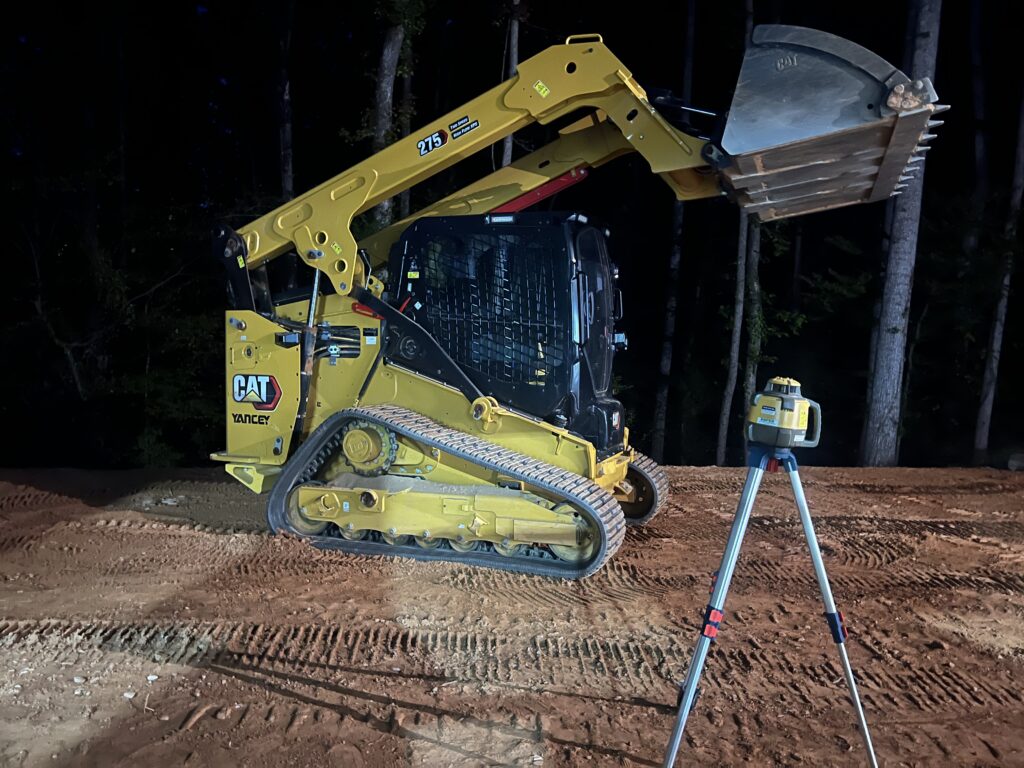
Different terrain requires different tools, from small skid steers to full-sized excavators.
Fall is peak season—book in advance to avoid delays or higher costs.
Some Georgia municipalities require land disturbance permits.
Common erosion control tools include silt fences, straw blankets, mulch, and reseeding.
Indicates the slope is insufficient and water isn’t draining properly.
Shows water is moving too quickly across your yard, damaging soil.
A major red flag that can lead to structural damage, leaks, or basement moisture issues.
Signals soil settlement or drainage problems that will worsen over time.
Best combination of soil moisture and temperature.
Especially important in fall.
Waiting a few weeks prevents uneven surfaces later.
French drains, swales, or catch basins offer long-term water control.
Mulch, silt fencing, and stabilizing plants protect your investment.
Higher rainfall and more freeze risk.
Rocky soil makes grading more demanding.
Best time: Early fall before first frost.
Longer workable seasons but vulnerable to hurricanes through October.
Best time: Late fall or early spring.
It depends on your grass type:
This ensures fast recovery and prevents erosion.
Avoid leveling in mid-summer and winter due to poor soil conditions.
Late fall is the best time for yard grading in Georgia, When it comes to land clearing services in Sandy Springs, GA, late fall is the best time for yard grading, thanks to its ideal blend of cooler temperatures, predictable weather, and stable soil moisture. Early spring is a strong second choice, particularly for homeowners planning upcoming landscaping projects.
Regardless of when you grade, prioritize:
Proper drainage
Soil stabilization
Safe, eco-friendly practices
Professional expertise
With the right timing and preparation, you can keep your yard stable, healthy, and fully protected for years to come.


