
 Skip to content
 Clearing land is an important step for homeowners, farmers, and contractors who want to reclaim overgrown areas, prepare land for building, or open up space for farming and landscaping. Thick brush, small trees, and stubborn stumps can make land unsafe and difficult to work on. The right equipment helps you clear vegetation quickly, safely, and without overspending.
For small projects, compact land-clearing equipment is often the best choice. Unlike large bulldozers, smaller tools and machines cost less, are easier to operate, and work well in tight spaces. They reduce labor, protect the soil, and allow property owners to handle many tasks themselves.
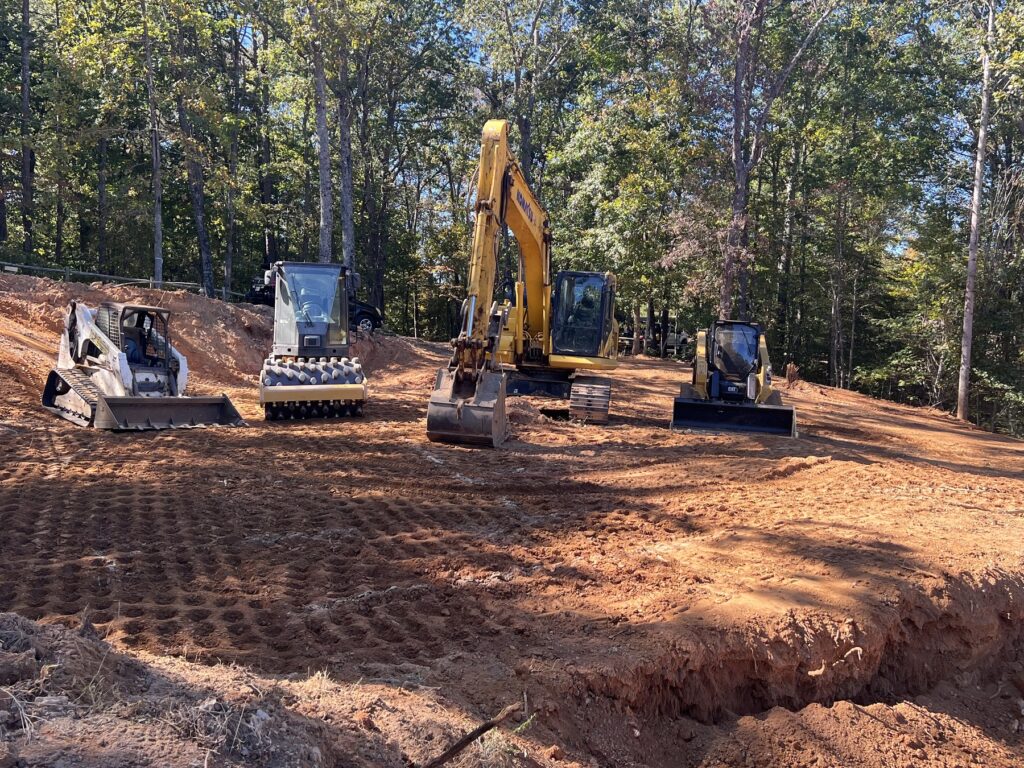
This guide explains the best equipment for removing brush, trees, and stumps. You’ll also learn how multi-purpose machines and attachments can save time, what to consider when choosing equipment, and when renting is better than buying. Finally, we’ll cover basic safety and eco-friendly clearing practices to make your project responsible and efficient.
Choosing the right equipment depends on your land, vegetation, and project goals. Thinking through these factors helps you avoid unnecessary costs, improve efficiency, and complete the job safely.
Small lots: Hand tools, string trimmers, and walk‑behind mowers are usually sufficient for light clearing.
Larger properties: Mini skid steers, compact tractors, or mini excavators provide more power and speed for bigger jobs.
Flat ground: Wheeled machines move easily and quickly, making them ideal for level terrain.
Slopes or rocky terrain: Tracked machines deliver better traction and stability, reducing the risk of accidents.
Brush and weeds: String trimmers, brush cutters, and walk‑behind mowers handle light vegetation effectively.
Saplings and small trees: Chainsaws, tractors with grapples, or mini excavators are best for thicker growth.
Stumps: Stump grinders or excavators with stump attachments remove roots and stubborn stumps efficiently.
Construction: Requires thorough clearing, often with mini excavators or skid steers for heavy work.
Farming: Compact tractors with brush hogs or grapples maintain fields and pastures.
Landscaping: Smaller tools allow precise clearing without disturbing soil structure.
Regular maintenance: Affordable, versatile equipment keeps properties clear year‑round.
Beginner‑friendly tools: Walk‑behind mowers, handheld cutters, and small stump grinders are easy to use.
Advanced equipment: Skid steers, tractors, and excavators require training and careful handling.
Safety essentials: Always wear gloves, helmet, boots, and eye protection, and follow machine guidelines to prevent accidents.
For Bucktown Grading and Construction, Grading Services in Sandy Springs GA is about more than equipment—it’s about using it safely and responsibly. They recommend matching tools to project size, terrain, and vegetation while prioritizing operator safety and environmental care. With experience across Georgia’s diverse soils, their guidance helps property owners avoid costly mistakes, reduce risks, and choose wisely between renting or buying. Key practices include proper protective gear, slope‑safe machinery, and eco‑friendly clearing methods that safeguard both people and the land.
Removing brush is often the first step in land clearing, and the right tool depends on the size of the area and the density of vegetation. From simple hand tools to compact machines and multi‑purpose equipment, each option offers unique advantages for different property types.
For small yards or projects that require precision, hand tools are affordable, easy to use, and effective.
Machetes: Excellent for cutting vines, saplings, and light brush.
Axes: Useful for chopping woody plants and thicker branches.
Handheld brush cutters: Powered options that handle thick weeds and small saplings with ease. These tools are perfect when you need precise control or are working in tight spaces.
When a brush covers a wider area, compact machines provide more efficiency and speed.
String trimmers: Ideal for tall grass, weeds, and lighter brush.
Walk‑behind brush mowers: Heavy‑duty machines capable of cutting saplings up to 2–3 inches thick. Compact machines are especially effective for residential lots, small farms, or uneven terrain where maneuverability is important.
For dense brush or tougher vegetation, a mini skid steer equipped with a brush cutter attachment delivers professional‑level performance.
Cuts through dense brush and small trees quickly.
Works well on slopes and rough ground where smaller tools struggle.
Allows easy swapping to other attachments for hauling, grading, or stump removal. This setup offers the power of larger equipment without the size, cost, or complexity, making it ideal for contractors or property owners who need versatile clearing solutions.
Some land clearing projects demand equipment that can handle everything—brush, trees, stumps, and debris. Instead of relying on multiple specialized tools, multi‑purpose machines offer flexibility, efficiency, and cost savings. With the right attachments, these compact workhorses can adapt to nearly any clearing task.
A mini skid steer is one of the most versatile machines for small‑scale land clearing.
Brush cutting: Attach a brush cutter or mulching head to shred thick vegetation.
Tree handling: Grapples make moving branches and small trees quick and safe.
Grading and hauling: Buckets and root rakes allow soil leveling and debris transport.
Compact design: Works well in tight spaces, residential lots, and uneven terrain. This machine is ideal for property owners or contractors who need professional‑level performance without the size and cost of larger equipment.
A compact tractor is a reliable choice for farms, pastures, and large yards that require regular maintenance.
Brush hogging: Cuts tall grass, weeds, and light brush efficiently.
Tree pulling: Grapple attachments help remove small trees and clear fence lines.
Debris hauling: Loader buckets move soil, gravel, or cleared vegetation with ease.
Best use case: Rural properties where ongoing upkeep is essential. Compact tractors combine durability with versatility, making them a long‑term investment for landowners.
A mini excavator excels in tough clearing conditions where precision and strength are required.
Digging and pulling stumps: Buckets, rippers, and stump attachments remove roots and stubborn stumps.
Tree removal: Hydraulic thumbs and grapples allow safe lifting and moving of felled trees.
Debris management: Handles cleanup quickly, even on rocky soil or slopes.
Compact reach: Fits into tight access areas where larger machines cannot operate. Mini excavators are especially valuable for construction sites, landscaping projects, and properties with challenging terrain.
Land clearing projects demand more than just the right equipment—they require strict attention to safety and environmental responsibility. Following these guidelines helps protect operators, property, and the surrounding ecosystem.
Helmet and eye protection: Safeguard against falling branches, flying debris, and accidental tool contact.
Gloves and steel-toe boots: Provide grip, reduce vibration, and protect feet from heavy equipment or sharp objects.
Hearing protection: Essential when operating chainsaws, mulchers, or other loud machinery to prevent long-term hearing damage.
Long sleeves and chainsaw chaps: Reduce risk of cuts and abrasions while offering added protection against chainsaw kickback.
Read manuals and follow limits: Always understand manufacturer guidelines to avoid misuse and mechanical failure.
Use tracked equipment on slopes: Tracks provide stability and reduce the risk of tipping when working on uneven terrain.
Keep work zones clear: Maintain visibility and prevent accidents by restricting access to the active clearing area.
Avoid sparks near dry vegetation: Chainsaws, grinders, and other tools can ignite brush if precautions aren’t taken.
Keep water or extinguishers nearby: Always have fire suppression tools on hand when working in dry or windy conditions.
Avoid clearing in high-wind conditions: Wind can spread sparks and make fire control nearly impossible.
Mulching over clearing: Shredding vegetation returns nutrients to the soil and reduces waste.
Recycling wood chips: Chips can be repurposed for landscaping, erosion control, or composting.
Repurposing logs for firewood or fencing: Adds value to cleared material while minimizing disposal costs.
Protecting topsoil by minimizing ground disturbance: Preserves soil health, prevents erosion, and supports regrowth of native plants.
A walk-behind brush mower is simplest for beginners and works well on tall grass and small saplings.
A stump grinder is the quickest. For very large or stubborn stumps, a mini excavator works even faster.
A compact tractor with a brush hog or grapple offers reliable all-around performance.
Yes. Mini excavators and compact track loaders work well on rough terrain, especially when equipped with grapples or mulching heads.
You don’t need large, expensive machinery to clear land effectively. Compact equipment—like brush mowers, chainsaws, stump grinders, skid steers, tractors, and mini excavators—can handle brush, small trees, and stumps with ease. Multi-purpose machines paired with the right attachments make land clearing faster, safer, and more affordable. By choosing equipment that matches your land size, vegetation, and goals, you can save time, reduce costs, and complete your project responsibly and safely.


