
 Skip to content
 Clearing land often leaves behind massive piles of brush, branches, and debris. These piles aren’t just unsightly—they can quickly become a nuisance. Left unmanaged, they take up valuable space, attract pests, and even pose fire hazards. More importantly, they stall progress on your project, whether you’re preparing for construction, farming, or landscaping.
One of the most practical ways to deal with leftover brush is to burn it and reduce it to ash. For property owners looking into Grading Services in Savannah GA one of the most practical ways to deal with leftover brush is to burn it and reduce it to ash. Burning minimizes waste, saves money on hauling, and leaves behind nutrient‑rich ash that can improve soil quality. When done correctly, it’s fast, cost‑effective, and surprisingly eco‑friendly.
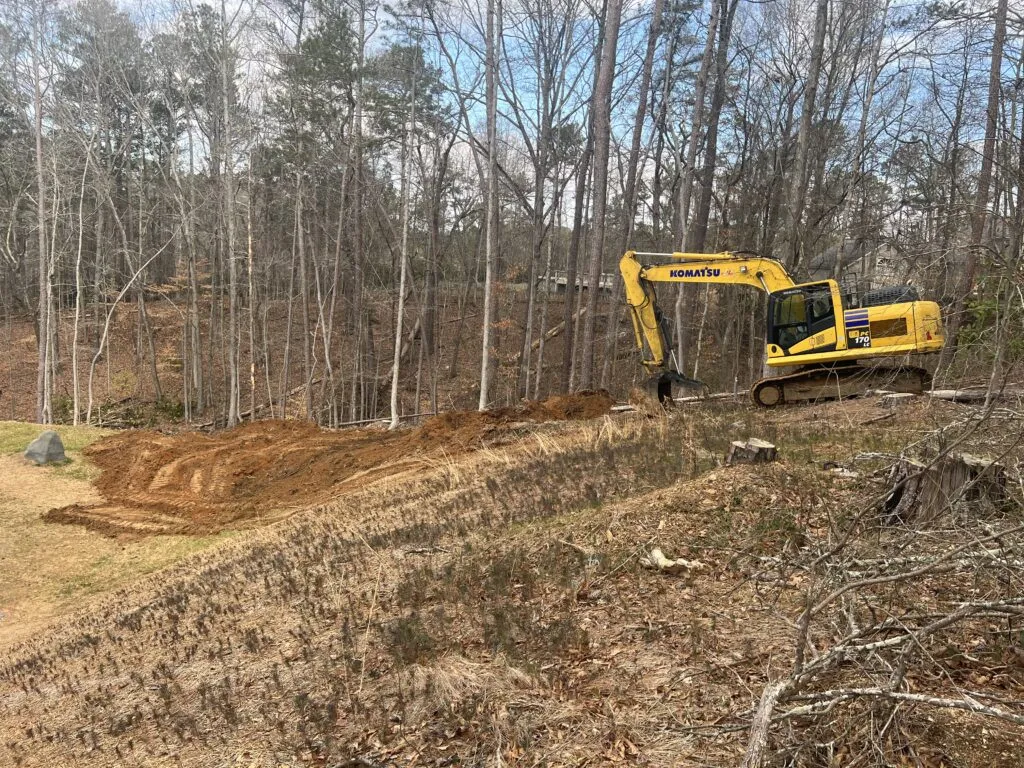
This is where an excavator becomes a game‑changer. Instead of relying on manual labor, the excavator does the heavy lifting—gathering brush, compacting piles, and managing the burn safely from a distance. Its reach and power allow you to control the fire efficiently while reducing risks to workers and property.
By combining smart burning methods with excavator support, you can clear brush quickly, safely, and responsibly. Below, we’ll walk through each step in detail so you can handle brush disposal like a pro.
Burning brush is efficient, but it must be done responsibly. Preparation and compliance with local rules are non‑negotiable.
Pick a site far from buildings, tree lines, and utilities. A wide, open area with flat ground ensures airflow and visibility, reducing the risk of flames spreading. Sloped areas should be avoided, as fire can move faster downhill or uphill.
Check with local authorities for burn permits and regulations. Many regions enforce seasonal restrictions, burn bans, or weather advisories to prevent wildfires. Ignoring these rules can lead to fines or dangerous situations. Planning ahead ensures your burn is legal, safe, and efficient.
Establish a secure perimeter by building firebreaks—cleared strips of land that stop flames from spreading. Use your excavator to scrape vegetation or dig shallow trenches. Equip crews with safety gear such as gloves, helmets, and fire‑resistant clothing, and have water sources or extinguishers ready before ignition.
Use the excavator’s bucket or grapple to collect brush in wide sweeps, minimizing manual labor. Place dry material at the base for easy ignition, and layer damp brush on top to burn gradually once the fire is established.
Compact the pile with the excavator to reduce air gaps and ensure even burning. A cone‑shaped or dome‑shaped pile allows airflow through the sides while keeping the center hot enough to consume material fully.
Use approved fire starters like matches, propane torches, or kindling. Avoid gasoline or diesel—they can cause explosive flames and unpredictable spread.
Light the pile from the upwind side. This allows flames to move gradually with the wind, creating a controlled burn. Ignite small sections first, letting them catch before expanding.
Use the excavator to reposition brush and maintain airflow. Push heavy or wet material into the hottest part of the fire for complete burning.
2 Safety During the Burn
Monitor constantly. Keep operators at a safe distance, protect nearby structures, and have water or extinguishers ready.
Feed more material only when flames are strong enough to consume it. Stop when only embers and fine ash remain.
Spread ash to enrich soil or collect it for safe disposal.
Douse with water, stir with the excavator, and confirm no embers remain.
Check weather: Avoid burning in high winds or drought ash.
Wear PPE: Fire‑resistant clothing, gloves, helmets, and eye protection ash.
Keep suppression tools: Water, hoses, and extinguishers must be on site ash.
Use alternatives: If burning isn’t allowed, try mulching, hauling, or grinding ash.
How do you permanently clear brush?
Remove roots and stumps along with vegetation. Use excavators, herbicides, or forestry mulching, then reseed to prevent regrowth.
What’s the best way to clear brush from land?
For large areas, heavy machinery is fastest. For smaller plots, skid steers or hand tools work well. Forestry mulching is eco‑friendly and efficient for Bulldozer Grading.
How do you remove heavy or overgrown brush?
Use excavators, brush cutters, or mulching machines. For stubborn growth, controlled burning or herbicides may be needed—with permits and safety measures.
Excavator‑assisted burning is one of the fastest and safest ways to turn brush into ash. With proper planning, permits, and safety gear, you can clear land efficiently while protecting the environment. Whether for construction, farming, or landscaping, this method saves time, reduces labor, and prepares your property for its next use.


