
 Skip to content
 The construction industry is buzzing with a heated debate that’s reshaping how operators approach their daily work. At the center of this controversy lies a fundamental question: are you using the right controls for your earthmoving equipment? The backhoe vs excavator controls discussion has evolved from casual jobsite conversations into a critical factor affecting productivity, safety, and operator satisfaction across construction sites worldwide.
The control systems for backhoes and excavators represent two fundamentally different approaches to machine operation. This isn’t merely about personal preference—it’s about understanding how these control differences can dramatically impact your project outcomes, operator fatigue, and overall job efficiency.

Backhoe vs excavator controls isn’t just technical jargon—it’s the difference between finishing a project on time or falling behind schedule. Backhoe controls traditionally follow what’s known as the “backhoe pattern,” where boom, stick, and bucket functions are controlled through a specific joystick configuration that has remained largely unchanged for decades. Excavator controls, conversely, utilize the “excavator pattern,” which organizes hydraulic functions in a different arrangement that many operators find more intuitive for certain types of work.
Read More: Excavator Vs Trackhoe: Master the Right Controls for Maximum Efficiency in 2025
Backhoe controls have earned their reputation through decades of proven performance. The standard backhoe control pattern typically places the boom function on the right joystick’s forward/backward movement, while the bucket curl operates through the left joystick. This configuration has become second nature to countless operators who’ve built their careers around this control scheme.
The strength of backhoe controls lies in their precision for traditional digging operations. When working in confined spaces or performing detailed excavation work, the backhoe vs excavator controls debate often favors the backhoe approach. The control layout allows for smooth, coordinated movements that experienced operators can execute with remarkable precision.
Think of it this way: if you’re digging a residential basement or trenching for utilities, backhoe controls give you the finesse of a surgeon’s scalpel. The muscle memory developed through backhoe operation translates into efficient, productive work cycles that can make the difference between profit and loss on smaller projects.
Excavator controls represent a more recent evolution in earthmoving equipment design. The excavator pattern typically assigns boom functions differently, creating what many operators describe as a more “natural” feel during operation. The right joystick commonly controls boom up/down and bucket curl, while the left manages boom swing and stick operations.
Here’s where the backhoe vs excavator controls comparison gets interesting: excavator controls excel in applications requiring fluid, continuous movements. Large-scale excavation projects, material handling, and loading operations often benefit from the excavator control arrangement. The pattern allows operators to perform complex movements with fewer hand position changes, potentially reducing fatigue during long work periods.
Modern excavator controls often incorporate advanced features like proportional control systems, allowing operators to modulate hydraulic flow with incredible precision. This technological integration gives excavator controls an edge in applications requiring variable speed control and delicate material handling.
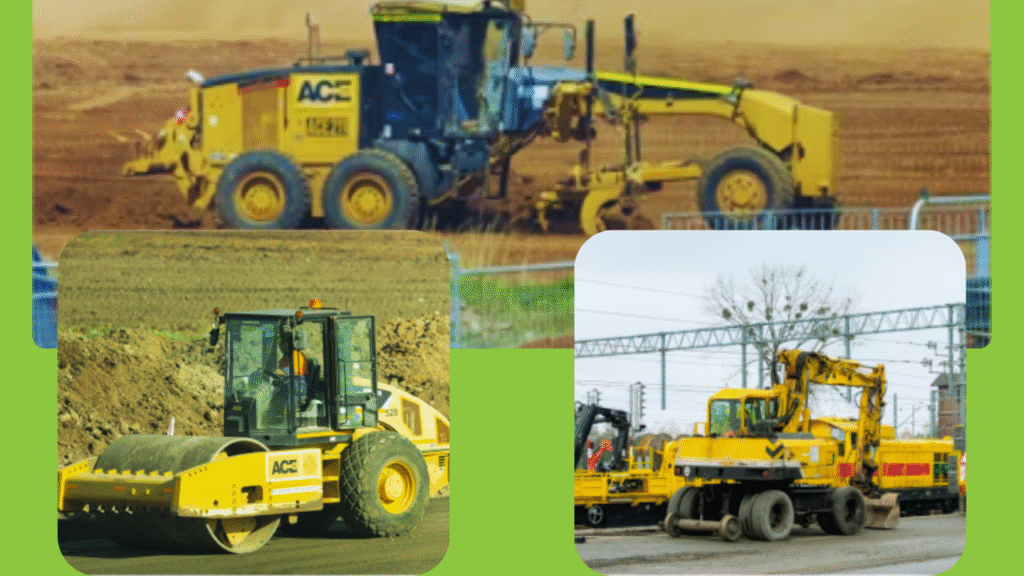
Understanding backhoe vs excavator controls requires looking at how these systems complement each machine’s design philosophy. Excavators are typically larger and heavier, designed for powerful digging and lifting, with a 360-degree rotation for flexibility. Their controls are engineered to handle this power efficiently, with smooth joystick movements translating into precise hydraulic responses.
Backhoes are smaller and more compact, featuring both a digging arm and a front loader bucket, with a rotation of about 200 degrees, making them more agile. Their controls reflect this versatility—you’re not just operating a digger, you’re commanding a multi-tool that needs to switch between functions seamlessly.
The backhoe vs excavator controls debate extends beyond the operator’s cab. Excavators, often tracked, provide stability on rough terrain but require transportation between sites. Their controls are designed for sustained operation in one location, with comfort features that support long digging sessions.
Backhoes, usually wheeled, can drive on roads at up to 25 mph, offering easier movement, especially in urban settings. Their controls need to accommodate this mobility—operators often need to switch between travel mode and work mode quickly, and the control layout supports this flexibility.
Read More: Clearing Land With Excavator: The Fastest Way to Get the Job Done

When examining the backhoe vs excavator controls debate from a productivity standpoint, the answer isn’t what most people expect. Productivity depends heavily on application, operator experience, and specific job requirements—but the controls can make or break your efficiency.
For precision work like utility installation or detailed grading, backhoe controls often provide superior results. The control pattern allows operators to make micro-adjustments with confidence, leading to higher accuracy and fewer costly corrections. Projects requiring frequent repositioning and precise placement typically see productivity gains with backhoe controls.
Excavator controls shine in high-volume earthmoving applications. The control pattern facilitates smooth, flowing movements that can significantly reduce cycle times in loading and material handling operations. Large construction projects involving substantial earth movement often report productivity improvements when using excavator controls.
The backhoe vs excavator controls choice becomes clearer when you look at specific applications. Excavators excel in large-scale construction, mining, and demolition projects where their powerful controls can manage heavy lifting and deep excavation efficiently. Their 360-degree rotation capability, combined with intuitive controls, makes them ideal for complex site work.
Backhoes dominate in medium-scale tasks like trenching, loading, farming, and landscaping. Their controls are perfectly suited for projects that require versatility—one minute you’re digging a trench, the next you’re loading material into a truck. For residential basements, utility work, or agricultural applications, backhoe controls provide the precision and flexibility needed.
The ergonomic differences between backhoe vs excavator controls significantly impact operator comfort and long-term health. These considerations have become increasingly important as the industry recognizes the connection between operator comfort and overall project success.
Backhoe controls typically require more varied hand and arm movements throughout the work cycle. While this can provide some ergonomic benefits through position variation, it may also lead to increased fatigue during extended operation periods. Smart operators know that comfort translates directly to productivity—a tired operator makes mistakes, and mistakes cost money.
Excavator controls generally allow operators to maintain more consistent hand positions, potentially reducing certain types of repetitive stress. The control arrangement often feels more natural to new operators, requiring less initial training time. However, some experienced backhoe operators report difficulty adapting to excavator controls after years of muscle memory development.
Safety considerations in the backhoe vs excavator controls debate extend beyond simple operation comfort. Control system design directly impacts operator reaction times, situational awareness, and emergency response capabilities—factors that can prevent accidents and save lives.
Backhoe controls offer advantages in emergency situations requiring immediate, precise responses. The control pattern allows experienced operators to execute emergency stops or evasive maneuvers with minimal cognitive load. The familiarity of backhoe controls can be crucial in high-stress situations where split-second decisions matter.
Excavator controls provide benefits in maintaining operational awareness during complex tasks. The control arrangement allows operators to focus more attention on their surroundings rather than control manipulation. This enhanced situational awareness can prevent accidents and improve overall job site safety.

Selecting between backhoe vs excavator controls requires careful consideration of multiple factors specific to your operation. Project types, operator experience levels, equipment utilization patterns, and long-term productivity goals all influence this critical decision.
For operations primarily involving precision work, utility installation, or confined space excavation, backhoe controls often provide superior results. The control pattern’s precision and familiarity can lead to improved accuracy and reduced project timelines. Think residential work, landscaping, or municipal utility projects.
Operations focusing on high-volume earthmoving, material handling, or large-scale excavation typically benefit from excavator controls. The pattern’s efficiency in continuous movement applications can significantly impact overall project productivity. Consider mining operations, large construction sites, or industrial demolition projects.
Read More: Excavator Tree Removal: Fast, Safe & Efficient Clearing Explained
The backhoe vs excavator controls debate extends into training and workforce development considerations. Organizations must balance the benefits of standardizing on one control pattern against the flexibility of maintaining diverse operator skills.
Training new operators on backhoe controls typically requires more initial instruction due to the pattern’s complexity. However, operators who master backhoe controls often demonstrate superior precision in detailed work applications. The investment in training pays off in reduced rework and improved project quality.
Excavator control training generally progresses more quickly for new operators, but the learning curve for experienced backhoe operators transitioning to excavator controls can be significant. Organizations must factor these training costs into their equipment selection decisions—it’s not just about buying the machine, it’s about developing the skills to use it effectively.
Contemporary earthmoving equipment increasingly incorporates advanced technologies that interact with control systems or Human Machine Interface. GPS guidance, automated functions, and computer-assisted operation all influence the backhoe vs excavator controls comparison in ways that will shape the industry’s future.
Modern backhoe controls integrate well with precision guidance systems, allowing operators to maintain familiar control patterns while benefiting from technological assistance. The traditional control layout accommodates additional electronic controls without overwhelming the operator interface.
Excavator controls often provide better integration with automated systems due to their more standardized electronic interfaces. Advanced features like automatic grade control and load monitoring systems frequently work more seamlessly with excavator control patterns.
The backhoe vs excavator controls debate represents more than a simple preference discussion—it’s a fundamental decision that impacts every aspect of earthmoving operations. Rather than viewing backhoe vs excavator controls as an either-or decision, successful operations increasingly recognize that different applications may benefit from different control approaches. As the industry continues evolving, the backhoe vs excavator controls debate will likely shift toward more flexible, adaptive systems that combine the best aspects of both approaches.
Top-rated excavating contractor in Canton, GA. Bucktown Grading & Construction specializes in grading, site prep, land clearing & more. 10+ years experience. Free estimates! Call (706) 813-3736 today


