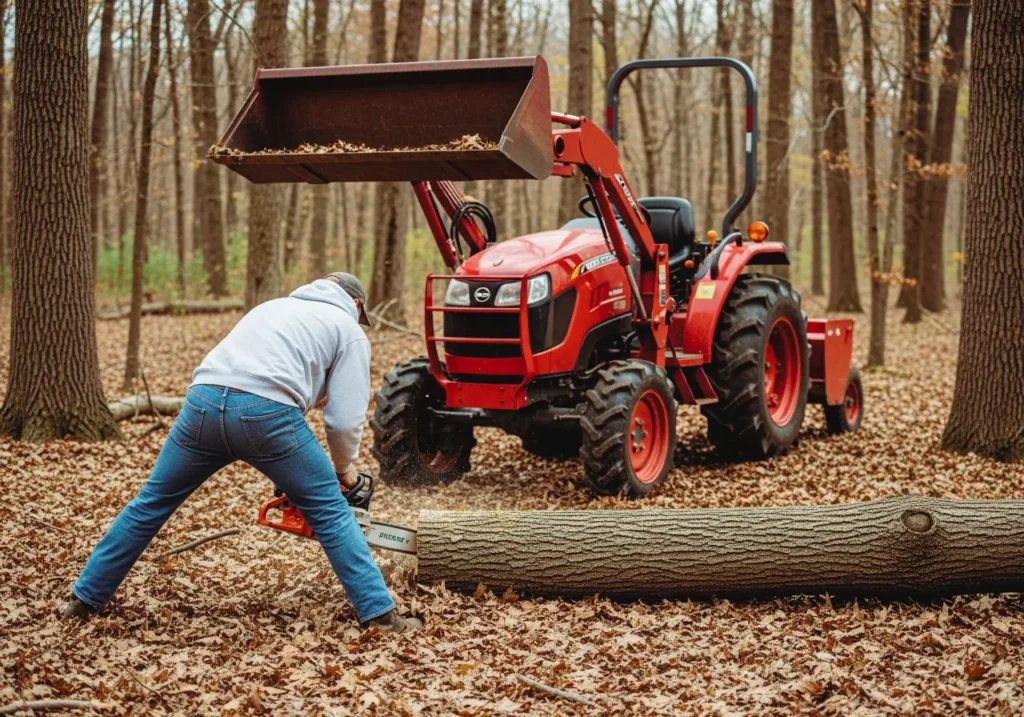
Land clearing is a vital step in preparing property for development, farming, landscaping, and overall safety. Unmanaged land often comes with challenges such as overgrown brush, stubborn trees, stumps, and uneven ground, all of which can hinder progress and increase risks.
To address these issues, property owners and contractors can choose from several land clearing methods—ranging from manual techniques to mechanical machinery, chemical treatments, controlled burning, and stump removal practices. Each method offers unique advantages and limitations depending on the size of the property, the type of vegetation, and environmental considerations.
This guide will walk you through the most common land clearing methods and provide practical insights to help you select the safest, most efficient option for your specific needs.
What to Consider Before Choosing a Clearing Method
Selecting the right land clearing method isn’t just about efficiency or even you can consider manual land clearing techniques where as it’s about matching the approach to your property’s unique needs. Before deciding, weigh these key factors:
Property Size and Terrain
Small yards vs. large acreage: Manual or chemical clearing may work for small plots, while mechanical methods are better suited for larger tracts.
Flat vs. sloped or rocky terrain: Tracked machinery provides stability on slopes, while rocky ground may require specialized equipment to avoid damage.
Type of Vegetation
Light brush: Easily managed with manual tools or herbicides.
Thick brush: Mechanical mulchers or controlled burning may be more effective.
Small trees: Chainsaws or compact excavators can handle removal.
Large trees: Bulldozers, excavators, or professional logging equipment are often necessary.
Stumps: Grubbing and stumping ensure complete removal to prevent regrowth.
Project Goals
Construction prep: Requires thorough clearing, including stump and root removal.
Farming: Focus on soil health and minimizing erosion.
Landscaping: Precision clearing to preserve desirable plants and topsoil.
Wildfire prevention: Controlled burning or brush removal reduces fuel loads.
Property cleanup: Light clearing methods may be sufficient for aesthetics and safety.
Budget and Timeframe
Cost of equipment, labor, permits, and disposal: Manual clearing is cheaper upfront, while mechanical methods save time but require higher investment.
How fast each method works: Mechanical clearing is fastest; chemical methods take longer but may be more affordable.
Environmental and Local Regulations
Burn permits: Required for controlled burning in most jurisdictions.
Erosion control: Essential when disturbing soil, especially on slopes.
Protected species: Clearing may be restricted if endangered plants or habitats are present.
Local laws: Always check municipal or state regulations before beginning work.
Mechanical Land Clearing Methods (Equipment‑Based)
Mechanical methods rely on heavy equipment and tools to clear land quickly and efficiently. These approaches are best suited for larger projects or areas where manual clearing would be too slow or impractical.
1. Bulldozing
How it works: Bulldozers push over trees, brush, and debris, clearing large areas in a short time.
Best for: Large tracts of land with heavy vegetation.
Pros: Fast, powerful, effective for complete clearing.
Cons: Can leave behind debris, requires skilled operators.
Environmental impact: Significant soil disturbance and potential erosion if not managed properly.
2. Forestry Mulching
How it works: Specialized mulchers shred brush and trees into mulch, leaving organic material on the ground.
Best for: Selective clearing and uneven terrain.
Pros: Fast, eco‑friendly, reduces waste by recycling vegetation into mulch.
Cons: High equipment cost, limited by machine size and capacity.
3. Brush Hogging / Mowing
How it works: Tractors or skid steers equipped with brush hogs cut down tall grass, weeds, and light brush.
Best for: Pastures, fields, and routine property maintenance.
Pros: Efficient for lighter vegetation, improves land appearance.
Cons: Not suitable for thick brush or large trees.
4. Excavator Clearing
How it works: Excavators dig out trees, stumps, and root systems for complete removal.
Best for: Construction preparation or areas with heavy overgrowth.
Pros: Thorough clearing, prevents regrowth, essential for building projects.
Cons: Requires skilled operators, can be costly and time‑intensive.
5. Chainsaw + Manual Removal
How it works: Chainsaws combined with manual labor remove small trees and brush.
Best for: Small plots, DIY projects, or areas requiring precision.
Pros: Low cost, precise control, accessible for homeowners.
Chemical Land Clearing Methods
1. Herbicides
When chemical clearing is useful: Herbicides are applied to control unwanted vegetation such as weeds, grasses, and invasive plants. This method is particularly effective for areas where mechanical or manual clearing is impractical, or where regrowth prevention is a priority.
Best for: Invasive plant species, regrowth control, and managing weeds in residential or agricultural spaces.
Safety guidelines and environmental cautions:
Always follow manufacturer instructions and local regulations.
Avoid overapplication to prevent soil and water contamination.
Use protective gear when handling chemicals.
Check for restrictions on herbicide use near protected habitats or water sources.
Cons: Results are slow to appear, not effective for large trees or thick brush, and permits may be required in some areas.
Controlled Burning (Burn Clearing)
How controlled burns work: Controlled burning, also known as prescribed fire, involves intentionally setting and managing small fires to clear thick brush and undergrowth. This method reduces excess vegetation while returning nutrients to the soil.
Best for: Thick brush and undergrowth in rural areas where fire can be safely managed.
Required permits and strict safety rules: Controlled burns must be approved by local authorities, with permits and fire safety protocols in place. Trained professionals should oversee the process to prevent accidental spread.
Cons: Slow, labor‑intensive, and physically demanding.
2. Winch & Chain Removal
How it works: A winch and chain system pulls out small stumps or shallow‑rooted trees.
Best for: Removing stumps and roots in small plots or DIY projects.
Pros: Budget‑friendly, effective for limited clearing tasks.
Cons: Requires caution to avoid accidents, not suitable for large or deep root systems.
Eco‑Friendly and Low‑Impact Clearing Options
For property owners who want to prepare land responsibly, eco‑friendly clearing methods offer a way to balance efficiency with environmental care. These approaches minimize damage to soil, protect habitats, and repurpose natural materials instead of sending them to waste.
Mulching to Protect Soil
Mulching uses specialized equipment to shred brush and trees into nutrient‑rich mulch. This layer protects topsoil, reduces erosion, and improves moisture retention for future planting.
Selective Clearing for Wildlife Habitat
Instead of clearing everything, selective removal preserves valuable trees and vegetation. This method maintains shade, food sources, and shelter for local wildlife while still opening space for development.
Using Debris for Compost, Erosion Control, or Firewood
Cleared vegetation doesn’t have to go to waste. Wood chips can be composted or spread to stabilize slopes, while logs can be repurposed for firewood, fencing, or other practical uses.
Minimizing Soil Disturbance
Eco‑friendly clearing emphasizes keeping the ground intact. By avoiding deep excavation or heavy machinery where possible, property owners protect soil health, reduce erosion risks, and support long‑term sustainability.
Bucktown Grading and Construction, LLC Guide to Choose the Best Method
Every property has its own challenges—soil type, slope, access points, and the mix of brush, trees, and stumps. Bucktown Grading & Construction recommends a clear decision process on land clearing at natives:
Step‑by‑Step Decision Process
Identify vegetation type: Determine whether you’re dealing with weeds, brush, small trees, or large stumps.
Consider property size and access: Small yards may only need hand tools, while large acreage often requires heavy machinery.
Define goals (full clearing vs. selective removal): Decide if you want to clear everything for construction or preserve certain vegetation for landscaping or wildlife.
Set a budget: Factor in equipment rental or purchase, labor, permits, and debris disposal.
Check local laws and permits: Ensure compliance with burn permits, environmental protections, and municipal regulations.
Match the method to your skill level or hire professionals: DIY may work for small projects, but larger or complex jobs often require trained operators.
Decision‑Making Examples
Best method for a small backyard: Manual clearing with hand tools or chainsaws for precision and low cost.
Best method for 5 acres of brush: Forestry mulching or mechanical clearing for speed and efficiency.
Best method for prepping a construction site: Excavator clearing and grubbing to remove trees, stumps, and roots completely.
Best method for a farm or pasture: Brush hogging or mowing to maintain fields, combined with selective clearing to protect soil health.
Cost Comparison of Clearing Methods
Understanding the cost differences between land clearing methods helps property owners plan effectively and avoid unexpected expenses. Prices vary depending on property size, vegetation type, equipment, and whether you hire professionals or attempt a DIY approach.
Mechanical Clearing Average Costs
Mechanical methods such as bulldozing, excavator clearing, or brush hogging typically range from $1,000 to $5,000+ per acre, depending on terrain and vegetation density. These methods are faster but require heavy machinery and skilled operators, which increases overall land clearing cost.
Mulching vs. Bulldozing Cost Differences
Forestry mulching: Often costs $1,500 to $3,000 per acre, but leaves mulch behind to enrich soil and reduce disposal fees.
Bulldozing: Can be slightly cheaper per acre ($1,000 to $2,500), but may leave debris that requires additional cleanup and disposal, raising total project costs.
Cost of Burning Permits and Labor
Controlled burning is one of the most cost‑effective methods, but it requires permits and professional oversight.
Permits: Typically range from $50 to $500, depending on local regulations.
Labor and supervision: Hiring licensed professionals adds $500 to $2,000+, depending on property size and fire risk.
DIY vs. Professional Cost Breakdown
DIY clearing: Using hand tools or renting small equipment may cost only a few hundred dollars, but it is labor‑intensive and time‑consuming.
Professional clearing: Hiring contractors ensures efficiency and safety, with costs ranging from $2,000 to $10,000+ depending on acreage, vegetation, and method.
Safety Guidelines for Any Clearing Method
No matter which land clearing method you choose, safety must always come first. Proper preparation and awareness protect operators, property, and the environment.
PPE Requirements
Helmet and eye protection: Guard against falling branches and flying debris.
Gloves and steel‑toe boots: Ensure grip and protect hands and feet from sharp or heavy objects.
Hearing protection: Essential when operating loud machinery like chainsaws or mulchers.
Long sleeves and chainsaw chaps: Reduce risk of cuts and provide added protection during manual or mechanical clearing.
Equipment Safety
Read manuals and follow limits: Understand manufacturer guidelines to prevent misuse.
Inspect equipment before use: Check blades, hydraulics, and safety features regularly.
Keep work zones clear: Restrict access to active areas to avoid accidents.
Use tracked equipment on slopes: Tracks provide stability and reduce tipping risks.
Fire Safety for Burning
Avoid sparks near dry vegetation: Tools and machinery can ignite brush if precautions aren’t taken.
Keep water or extinguishers nearby: Always have fire suppression tools ready.
Avoid burning in high‑wind conditions: Wind can spread flames quickly and make control difficult.
Obtain permits and professional oversight: Controlled burns must follow local regulations and safety protocols.
Chemical Handling Precautions
Wear protective gear: Gloves, masks, and goggles are essential when applying herbicides.
Follow manufacturer instructions: Use correct dosages and application methods.
Avoid contamination: Keep chemicals away from water sources and protected habitats.
Check local laws: Some areas require permits or restrict chemical use.
Working on Slopes and Uneven Terrain
Use appropriate equipment: Tracked machinery offers better stability than wheeled vehicles.
Clear in stages: Work gradually to reduce erosion and maintain control.
Maintain footing: Wear boots with strong traction and avoid working alone in hazardous areas.
Plan for erosion control: Stabilize soil with mulch, barriers, or vegetation after clearing.
FAQ :
What is the cheapest way to clear land?
Manual clearing with hand tools is usually the most affordable option. It requires minimal investment in equipment but is labor‑intensive and best suited for small areas. Chemical clearing with herbicides can also be cost‑effective for controlling weeds and brush, though it may require permits in some regions.
What is the fastest land clearing method?
Mechanical clearing—using bulldozers, excavators, or forestry mulchers—is the fastest way to clear large areas. These machines can handle heavy vegetation and stumps quickly, though they come with higher costs and require skilled operators.
Which method is best for rocky or steep terrain?
Forestry mulching or tracked equipment is ideal for uneven or rocky terrain. Tracks provide stability on slopes, while mulchers can selectively clear vegetation without disturbing the soil too much.
Can I clear land myself or should I hire a professional?
DIY clearing is possible for small plots using chainsaws, brush cutters, or hand tools. However, for larger projects or areas with heavy vegetation, hiring professionals ensures safety, efficiency, and compliance with local regulations.
What if I only need selective clearing?
Selective clearing can be done with forestry mulching, manual tools, or small machinery. These methods allow you to remove unwanted vegetation while preserving trees, topsoil, or wildlife habitats.
Conclusion
Land clearing is an essential step in preparing property for development, farming, landscaping, or safety, and the right method depends on your unique needs. From manual clearing for small plots, mechanical methods for large areas, chemical treatments for invasive plants, controlled burning for brush management, to grubbing and stumping for complete root removal, each approach offers distinct advantages and limitations. When deciding, always consider your vegetation type, property size, project goals, budget, and local regulations, and remember that safe practices and eco‑friendly options like mulching, selective clearing, and debris repurposing not only protect the environment but also ensure long‑term land health. By making informed choices, you can clear your property efficiently, responsibly, and sustainably.
At Bucktown Grading and Construction, we don’t just move dirt—we shape the future. Our commitment to precision and quality ensures that every grading and construction project is built to last, supporting the growth of Georgia’s landscapes and communities. From the beginning, our focus has been on delivering exceptional workmanship while fostering strong relationships with our clients.
We take a personalized approach to every project, understanding that no two jobs are the same. By tailoring our solutions to meet specific needs, we ensure that every site is prepared with accuracy and care. Our dedication to excellence means we don’t just complete projects—we create long-term value.
At the heart of our work is a client-first mindset. We listen, we build, and we deliver, always putting your vision and priorities at the forefront. More than construction, we’re laying the foundation for progress, ensuring that every project contributes to a stronger and more developed future. Let’s build something great—together.

 Skip to content